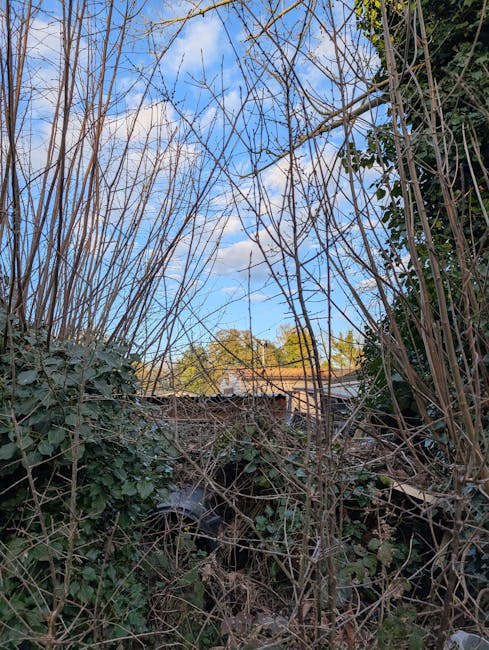
Garden rubbish clearance before and after Hounslow case study
Posted on 07/07/2026

If your garden has drifted from "a bit untidy" into "where do we even start?", you are not alone. This Garden rubbish clearance before and after Hounslow case study walks through the real-world shape of a garden tidy-up project: what usually gets removed, what changes after clearance, and how to plan the job without turning it into a weekend you regret. In Hounslow, where outdoor space is often precious and time is short, the difference between a cluttered garden and a usable one can be surprisingly dramatic.
We will look at the practical side of the job rather than the glossy version. That means green waste, old fencing, broken furniture, damp bags of cuttings, and the odd rusty item hiding behind a shed. It also means the planning, the disposal questions, and the little details that make the before-and-after result feel genuinely worthwhile.
Why Garden rubbish clearance before and after Hounslow case study Matters
A garden clearance is not just about making the place look nice for ten minutes. It changes how you use the space, how safe it feels, and how much ongoing maintenance you will need. In Hounslow, many gardens have compact layouts, shared access, side returns, or narrow paths, so waste tends to build up in awkward corners. Once that happens, a simple outdoor space can start feeling smaller than it really is.
The "before and after" angle matters because it shows the practical payoff. Before clearance, you often see blocked access, overgrown piles, snapped branches, leftover soil, old planters, and random household items that somehow ended up outside. After clearance, the same area can suddenly look wider, lighter, and easier to care for. It is not magic. It is just good sorting, careful removal, and a plan.
There is also a property value angle, especially if the garden is part of a sale, letting decision, or renovation. A cleared garden makes it easier for people to picture the space properly. Let's face it, nobody is imagining a summer barbecue when they are staring at a collapsed bag of hedge cuttings and a broken garden chair.
If you are also thinking more broadly about property condition and presentation, the wider context of a clearance can overlap with other services such as house clearance in Hounslow or waste clearance in Hounslow, depending on whether the job is limited to the garden or part of a bigger tidy-up.
How Garden rubbish clearance before and after Hounslow case study Works
At a practical level, garden rubbish clearance follows a simple pattern: assess, separate, remove, and dispose responsibly. The detail sits inside each step. A good team will first look at the volume and type of material, because green waste, timber, soil, broken furniture, metal, and mixed rubbish are handled differently. That matters more than people think.
The "before" stage usually starts with a walk-through. What is in the garden? What can be composted or recycled? What needs special handling? What can be lifted safely, and what needs to be dismantled? A shed full of tangled tools and wet cardboard is a very different problem from a few piles of hedge clippings. The sensible approach is to avoid guessing.
Then comes sorting. Pure garden waste such as branches, grass, leaves, and cuttings can often be separated from mixed waste. Old sleepers, fence panels, broken pots, and furniture may need their own route. If there are bulky items involved, a service that handles garden waste removal in Hounslow alongside general waste can be easier than trying to organise several separate collections.
After removal, the site should be swept through and checked. This is the part people rarely talk about, but it is what makes the after photos feel complete. Loose twigs, dust, shards of broken terracotta, and hidden bits of plastic make a garden look unfinished. Tiny detail, big difference.
Key Benefits and Practical Advantages
The most obvious benefit is visual. A cleared garden simply looks better. But the practical gains go further than that. You usually get easier access, less trip risk, better drainage visibility, and a clearer picture of what needs repairing or replanting next. If a patch has been hidden under waste, you may only discover the real condition once it is all gone. Sometimes that is a relief. Sometimes, well, it is a bit of a surprise.
- Better usability: You can actually use the garden again instead of working around piles of debris.
- Safer movement: Clearing broken timber, glass, or hidden waste reduces avoidable hazards.
- Improved appearance: A tidy outdoor space makes the whole property feel more cared for.
- More accurate planning: Once clutter is removed, it is easier to see what repairs or landscaping are needed.
- Less stress: A single coordinated clearance is usually calmer than a stop-start DIY effort.
There is also a sustainability angle. Responsible clearance should separate recyclable material where possible and avoid unnecessary landfill. If environmental handling matters to you, it is worth reading about recycling and sustainability practices so you know what a better disposal route looks like in everyday terms.
Another advantage is timing. Garden waste can become a nuisance quickly, especially after a big prune or renovation. A fast turnaround can stop the clutter spreading to driveways, paths, or side access routes. That makes life easier for neighbours too. Nobody enjoys stepping around a growing pile of branches on a damp Thursday morning.
Who This Is For and When It Makes Sense
This kind of clearance is useful for homeowners, landlords, tenants at the end of a tenancy, property managers, and anyone preparing a home for sale. It is also common after seasonal pruning, storm damage, hedge cutting, or a long period of "I'll deal with it next month." Truth be told, that last one is very common.
It makes particular sense when the garden has mixed waste rather than just a few bags of leaves. If there are broken patio pieces, old garden furniture, garden fencing, or items from a shed, the job becomes less like simple tidying and more like a proper clearance. In those situations, a broader service such as rubbish collection in Hounslow may be more suitable than trying to move everything in stages.
If the outdoor space forms part of a renovation or extension project, the waste stream can also overlap with builders' debris. In that case, support from builders waste disposal in Hounslow can help when the garden and building work are happening side by side. That happens more often than people expect, especially when a patio is being replaced or old hard landscaping is being removed.
So when does it make sense? Usually when the space feels blocked, unsafe, hard to maintain, or embarrassing to show to someone else. That is a fairly good rule of thumb.
Step-by-Step Guidance
If you want a cleaner, calmer result, structure the job properly. The best clearances are rarely the ones that begin with panic and a pair of gloves. Here is a simple approach that works well in real homes.
- Walk the garden first. Identify green waste, mixed rubbish, large items, and anything that may need dismantling.
- Separate what is obviously reusable. Some planters, tools, or timber can be kept, donated, or reused rather than disposed of.
- Watch for hidden waste. Old bags behind hedges, broken glass near borders, and forgotten metal pieces are easy to miss.
- Decide what needs specialist handling. Soil, bulky items, and mixed loads may need different treatment.
- Clear access first. Make sure gates, paths, and side passages are safe to use.
- Load in a sensible order. Heavy items first, lighter waste on top if appropriate, and fragile fragments kept separate.
- Finish with a sweep and final check. This is where the after result starts to feel complete.
A useful habit is to take a few photos before anything is moved. Not for vanity. For clarity. If you are comparing the space before and after, or need to explain the job to a clearance team, the images help avoid confusion and set realistic expectations.
If you are comparing different service routes, the decision may come down to speed, flexibility, and access. A skip can work in some settings, but it is not always the easiest answer. A more flexible option, like the one described in this skip hire alternative for Hounslow, may suit a garden where space is tight or the waste needs loading quickly.
Expert Tips for Better Results
One of the biggest mistakes people make is underestimating how mixed garden rubbish becomes once they start moving it. A neat-looking pile on Saturday morning can turn into three categories by lunch: green waste, bulky waste, and things that really should have been dealt with years ago. It happens.
Here are a few tips that make a real difference:
- Start at the farthest point. Clear the back of the garden first so you do not keep walking over the same area.
- Keep a separate pile for sharp or broken items. That includes cracked pots, metal offcuts, and glass.
- Don't mix soil with light green waste unless the service advises it. Soil is heavier and can change the whole load plan.
- Check sheds, under benches, and behind planters. Hidden rubbish is a classic time-waster.
- Think in zones. Front of garden, side access, rear border, shed area. It is easier to manage that way.
One small but important tip: if you are clearing after wet weather, the load may be heavier than it looks. Damp branches and soggy leaves are deceptive. Very deceptive. The bag you thought would be easy suddenly has all the cheerfulness of a soaked duvet.
If you want to keep future maintenance easier, schedule a smaller seasonal tidy after the main clearance. That way the garden does not slide back into the same mess, and you avoid the "we'll do it later" spiral that tends to happen in busy households.

Common Mistakes to Avoid
Most clearance problems are avoidable. They usually come from poor sorting, rushing, or assuming all waste behaves the same way. It does not.
- Leaving hidden waste until the end: Anything tucked behind hedges or stacked near fences should be checked early.
- Using the wrong disposal route: Garden waste, mixed waste, and bulky waste often need different handling.
- Ignoring access issues: Narrow side passages, locked gates, and muddy paths can slow the whole job.
- Overfilling bags: Heavy bags are awkward to move and can create avoidable strain.
- Forgetting the finish: A clearance that stops short of sweeping and final checking never really looks finished.
Another common mistake is to focus only on the visible waste and ignore what sits underneath. Sometimes the "after" image looks decent from the patio but still has broken bits and loose debris near the edges. That tiny layer matters. It is the difference between cleared and actually ready to use.
If cost is part of the decision, it helps to understand how quotes are built and what can affect the final figure. This can be especially useful if you are weighing a garden tidy against a larger property job, so have a look at rubbish removal costs in Hounslow for a clearer sense of the moving parts.
Tools, Resources and Recommendations
You do not need a shed full of specialist gear to get started, but the right basic tools help. For a DIY pre-sort, useful items include heavy-duty sacks, gloves, a rake, pruning shears, a broom, and a sturdy barrow or tub for moving material. If there are sharp objects involved, use a separate container and do not guess your way through it. Common sense beats bravado here.
For larger jobs, it is often better to let a clearance team bring the loading and disposal approach. That avoids several trips, helps prevent back strain, and reduces the chances of mixed waste being handled badly. If you are unsure what kind of clearance you need, the broader services overview can help you understand how the different options relate to each other.
There are also practical pages worth reading if your job involves more than the garden alone. Furniture left outside, for example, may be better handled via furniture removal in Hounslow or furniture disposal in Hounslow rather than being forced into a garden waste load. That kind of detail saves headaches later.
And if you are the sort of person who likes to sanity-check the practical side of service delivery, it is also worth reading the page on waste carrier licence and compliance. It explains why proper handling matters and why using a legitimate carrier is not something to shrug off.
Law, Compliance, Standards, or Best Practice
For garden rubbish clearance, the key point is simple: waste should be handled responsibly, traceably, and in line with normal UK waste practice. You do not need to become an expert in waste law, but you do need to be careful about who takes the material and where it ends up. That is especially true if the load includes mixed waste, timber, treated materials, or items that should not be treated as plain green waste.
Best practice usually means separating material where feasible, avoiding fly-tipping risk, using a properly authorised waste carrier, and making sure any disposal route is appropriate for the waste type. That is not just about compliance. It protects the property owner too. If waste is dumped illegally by the wrong operator, the mess can come back to you in the form of stress, expense, and awkward conversations. Nobody wants that.
It is also sensible to think about insurance and safety. Heavy lifting, uneven ground, hidden sharp items, and damp surfaces all make garden clearance more hazardous than it looks from the patio door. If there is any doubt, check the approach on insurance and safety so you understand the practical expectations before the job starts.
One more thing: if the clearance forms part of a larger move, renovation, or property sale, documentation and communication matter. A simple written quote, a clear description of the waste, and a basic agreement on what is included can prevent misunderstandings. Not glamorous. Very useful.
Options, Methods, or Comparison Table
There are usually three main ways people deal with a garden rubbish problem: do it yourself, use a skip, or book a direct collection/clearance service. The right option depends on space, waste volume, timing, and how much lifting you want to do yourself.
| Option | Best for | Pros | Watch-outs |
|---|---|---|---|
| DIY clearance | Small tidy-ups and light green waste | Low cash cost, full control | Time-consuming, repeated trips, lifting risk |
| Skip hire | Big, ongoing clear-outs with space available | Useful for larger volumes, can be left on site | Needs space, loading effort, not ideal for mixed access |
| Direct clearance service | Mixed waste, bulky items, quick turnaround | Fast, less lifting, better for awkward gardens | Quote depends on load type and access |
For many Hounslow gardens, direct clearance is the easiest middle ground. It avoids the space issues of a skip, and it is often faster than trying to work through the job yourself in stages. If you want a fuller picture of that comparison, the page on waste removal in Hounslow gives useful context for mixed clearances.
Case Study or Real-World Example
Here is a realistic Hounslow-style example based on the sort of garden clearance jobs people commonly need. A rear garden had built up a jumble of hedge cuttings, old plant pots, a broken bench, loose timber, and a couple of damp bin bags left after pruning. The space still existed, obviously, but it felt unavailable. You could see the path, you just could not really use it.
The first step was to separate the waste into clear groups: green waste, bulky mixed waste, and a small amount of material that needed careful handling because it was broken or sharp. The garden access was narrow, so moving the waste in stages was more sensible than trying to drag everything through at once. That little choice made the job smoother. Less noise, less mess, less back-and-forth.
Before clearance, the garden looked cramped and patchy, with only a thin strip of usable space near the back door. After clearance, the same garden felt noticeably larger. The path was visible again. The border edges could be seen properly. The owner could finally decide whether to replant, repair the fencing, or just keep it tidy and simple for a while. That's the real value of a good before-and-after result: it gives you options.
For people preparing a property for sale or letting, this type of tidy-up can support the wider presentation of the home. If you are already thinking in that direction, you may also find the local property content on real estate transactions in Hounslow and smart investments in Hounslow property helpful in understanding how presentation affects perception.
That said, not every garden needs a full-scale intervention. Some just need a seasonal reset. Others need a proper clear-out after months of neglect. The important thing is to match the method to the mess, not the other way round.
Practical Checklist
Use this checklist before any garden rubbish clearance. It keeps the job focused and helps avoid those annoying little misses that show up right at the end.
- Identify all visible garden waste and bulky items.
- Check behind sheds, borders, hedges, and planters.
- Separate green waste from mixed waste where practical.
- Set aside anything sharp, fragile, or awkward.
- Measure access paths, gates, and any tight corners.
- Decide whether the job is small, medium, or a full clearance.
- Confirm whether furniture, timber, or fixtures need separate handling.
- Plan the after-clearance sweep and final inspection.
- Ask about licence, insurance, and disposal route if using a service.
- Take before photos if you want a clear comparison later.
If you are still deciding how much help you need, the local page on pricing and quotes can be useful for understanding how a quote is usually framed before you commit to anything.
Conclusion
A strong Garden rubbish clearance before and after Hounslow case study shows that the value is not just in removing waste. It is in changing how a space feels and functions. Once the clutter is gone, you can see the garden properly again. You can plan it, enjoy it, and look after it without constantly working around the mess.
For many households in Hounslow, the smart move is a practical, well-sorted clearance that fits the access, the waste type, and the pace of the household. Keep the process simple. Keep it safe. And do not underestimate the relief of seeing a garden floor, a clean path, or a border edge that has been hidden for months.
Get a free quote today and see how much you can save.
When the job is handled properly, the before-and-after difference can be quietly satisfying. Not flashy. Just the kind of change that makes a home feel more lived-in again, and a little lighter too.