Hounslow Heath bulky rubbish clearance guide
Posted on 28/05/2026
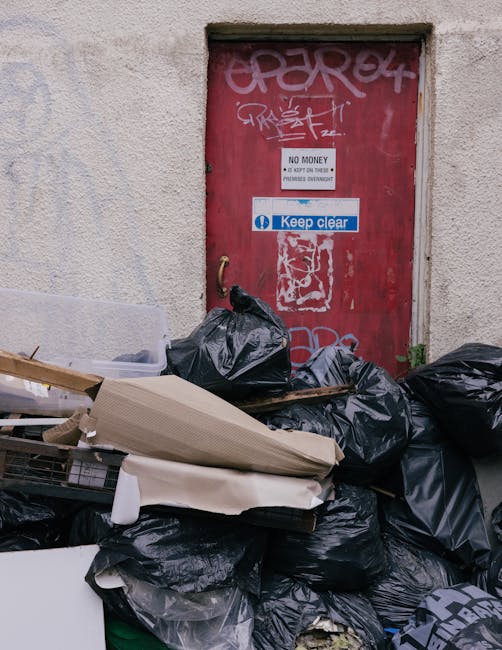
Hounslow Heath Bulky Rubbish Clearance Guide
If you have a worn-out sofa by the hallway, a broken wardrobe in the spare room, or a pile of mixed clutter that has somehow grown legs overnight, you are not alone. The reality of bulky rubbish is that it takes up space fast, becomes awkward to move, and can make an otherwise tidy home or business feel cramped and chaotic. This Hounslow Heath bulky rubbish clearance guide walks you through the practical side of getting rid of larger unwanted items in a way that is safe, efficient, and sensible for local conditions.
Whether you are clearing a flat after a move, emptying a garage, dealing with office furniture, or just trying to get your life back in order, the right approach saves time and a fair bit of stress. There is more to it than simply "taking stuff away." You need to think about access, sorting, loading, responsible disposal, and sometimes compliance too. A good plan makes all the difference.
In this guide, you will find a plain-English explanation of how bulky rubbish clearance works, who it suits, what to watch out for, and how to make a smarter choice. No fluff. Just useful, local, real-world advice you can actually use.
Quick takeaway: bulky rubbish clearance works best when you sort items early, measure awkward pieces, separate reusable from waste, and choose a service that understands access, lifting, and disposal properly. Small preparation now usually means a smoother, cheaper job later.
Why Hounslow Heath bulky rubbish clearance guide Matters
Bulky waste is one of those household jobs that looks simple at first glance, then quickly turns fiddly. A single mattress is manageable. A mattress, dismantled bed frame, broken chest of drawers, old carpet offcuts, and a fridge freezer? Now you are dealing with weight, sharp edges, mixed materials, and somewhere to put it all. In a busy part of west London, space is precious, parking can be tight, and access is not always straightforward. That is where a proper bulky rubbish clearance plan matters.
For Hounslow Heath residents and nearby properties, the real value is not just removal. It is avoiding the usual headache: trying to move heavy items through narrow hallways, guessing whether something can be recycled, and ending up with waste sitting around for another week because the original plan was too optimistic. Truth be told, bulky rubbish has a habit of becoming "tomorrow's problem" if you do not deal with it properly.
This matters for more than convenience. Poorly managed disposal can lead to clutter in shared spaces, blocked access, pest issues, and safety risks. A clear process helps you protect your home, your neighbours, and your time. It also gives you a cleaner result, which sounds obvious, but that final tidy sweep makes a bigger difference than people expect.
If you are planning broader clear-out work, it can also help to think about the bigger picture. For example, if a room strip-out or renovation is happening, you may want to combine bulky item removal with general rubbish removal or, for heavier fit-out waste, a more structured builders waste clearance service. One trip, less disruption. Nice when it works out that way.
How Hounslow Heath bulky rubbish clearance guide Works
Bulky rubbish clearance is essentially a collection and disposal service for large items that are awkward to place in standard bins. That can include furniture, white goods, mattresses, shelving, carpets, garden items, and mixed household clutter. The exact process varies by provider, but the general flow is fairly consistent.
First, you identify what needs removing. Then you decide whether items are reusable, recyclable, or waste. After that, you arrange a collection time, prepare access, and make sure the items are ready to be taken away. A good service will usually handle the lifting, loading, transport, and disposal route. Some also separate recyclable material where possible. That detail matters, because not every load is just "rubbish" in the plain sense.
In many cases, the price or quote depends on volume, weight, labour, item type, access difficulty, and whether anything needs dismantling. For example, a few soft furnishings from a ground-floor flat are usually far easier than a full bedroom set tucked into a top-floor property with no lift. It is one of those jobs where the last ten metres can be the hardest part. Always is.
Here is the short version:
- Single items are usually quicker and easier to assess.
- Mixed loads need sorting so the right disposal route can be used.
- Heavy or awkward items may need two-person lifting or dismantling.
- Access constraints such as narrow stairs, rear alleys, or limited parking can affect timing.
- Responsible disposal should be part of the service, not an afterthought.
If you are unsure what category your items fall into, it is worth browsing a more focused service page such as house clearance when the job is part of a wider property clear-out, or office clearance if the items are commercial rather than domestic. That little distinction can save a lot of back-and-forth.
Key Benefits and Practical Advantages
A well-managed bulky waste collection is about more than getting rid of "stuff." It creates breathing room. You can feel it immediately when the clutter shifts out. The hall opens up. The spare room becomes usable again. You stop sidestepping that broken chair every morning. Small win, yes, but a real one.
1. Faster results than DIY hauling
Hiring help can be much quicker than trying to borrow a van, recruit a friend with strong opinions about lifting technique, and spend half the day making trips to a disposal point. Not glamorous, but that is the usual DIY route. Professional clearance is often the cleaner option when time is tight.
2. Less physical strain and lower injury risk
Bulky items are rarely just bulky. They are awkward. A wardrobe can catch on banisters, a washing machine can shift unexpectedly, and old furniture can be heavier than it looks. Proper lifting and moving methods reduce the chance of strain or damage.
3. Better sorting and disposal outcomes
Many items can be separated for recycling, reuse, or specialist handling. That is especially relevant for electrical goods, metal frames, and some furniture components. The more carefully the load is handled, the more likely it is to end up in the right place.
4. Less disruption to neighbours and shared spaces
In flats or terraces, bulky waste left in hallways, front gardens, or shared access areas can create tension very quickly. Clearing it properly helps avoid complaints and keeps entrances tidy. Nobody likes stepping around someone else's old mattress at 7:30 on a wet Tuesday.
5. Better planning for home projects
Clearance often unlocks the next job: decorating, moving, renting out a room, or replacing furniture. If the bulky waste is the thing holding everything up, removing it is often the quickest way to get momentum back.
There is also a practical benefit that people underestimate: once the clutter goes, it becomes much easier to see what actually needs doing next. That clarity is worth a lot.
Who This Is For and When It Makes Sense
Not every rubbish job needs a bulky clearance service. But plenty do. The right choice depends on item size, quantity, urgency, and how much lifting you want to do yourself. If any of the following sounds familiar, this guide is probably aimed at you.
- You are moving home and do not want to take old furniture with you.
- You have replaced a mattress, sofa, or wardrobe and need the old one removed.
- You are clearing a rental property between tenancies.
- You are emptying a garage, loft, or shed that has quietly become a storage jungle.
- You run a small business and need office furniture or mixed waste removed.
- You need a one-off solution rather than an ongoing waste contract.
It also makes sense if you have awkward access or limited time. Maybe you live on a road where parking is a bit of a puzzle. Maybe the item will not fit in a lift. Maybe you have a builder, decorator, or tenant waiting on a cleared space. In those situations, trying to manage the removal yourself can slow the whole project down.
If your situation is broader than one or two large items, it may be worth combining the job with garage clearance or garden clearance, especially where rubbish has built up over time. That way the task is handled as one coordinated clearance rather than several half-finished jobs. Much less faff.
Step-by-Step Guidance
If you want a smoother outcome, follow a simple process. It is not complicated, but the order matters.
Step 1: Make a full item list
Walk through the property and write down everything that needs removing. Include the obvious stuff, but also the smaller bits hiding around it: cushions, drawers, mattress toppers, broken shelves, loose panels, old lamps, and boxes of "miscellaneous" items. That category is always suspicious.
Step 2: Separate what can be reused or recycled
Do a quick sort before collection day. If an item is reusable, donation-worthy, or recyclable, keep it apart from genuine waste. Even simple separation helps the team plan the load more efficiently.
Step 3: Check access and measure awkward pieces
Measure doorways, stair turns, and long items like wardrobes or bed bases. If something needs dismantling, note that early. You do not want a collection day surprise where the item is clearly not going anywhere in one piece.
Step 4: Clear a path
Move smaller obstacles out of the way so the crew can work safely. A clear route reduces time on site and lowers the chance of scuffs or bumps. If you have fragile items nearby, move them first.
Step 5: Confirm what is included in the quote
Make sure you understand whether lifting, loading, disposal, dismantling, and difficult access are included. This is one of those details people skip, then regret later. Ask before the van arrives, not after.
Step 6: Prepare for collection day
Have items in an accessible spot if requested, keep pets out of the way, and make sure someone is available if the team needs access to a rear gate, communal entrance, or storage area. On a practical level, that is where jobs either glide along or become oddly messy.
Step 7: Do a final sweep once the items are gone
Check for stray screws, bits of packaging, or small waste behind furniture. A five-minute sweep can leave the room looking properly finished. It is a tiny thing, but it matters.
If you want a deeper understanding of how different waste streams are handled, our waste clearance page is a useful next step for broader clear-out planning.
Expert Tips for Better Results
After a lot of clearance jobs, a few patterns become obvious. The smoother jobs usually share the same habits. Nothing magical. Just sensible preparation.
Be honest about the volume
People often understate how much they have. To be fair, it is easy to do. What looks like "a couple of items" in a room can become a full load once everything is brought together. If in doubt, take photos from a few angles and be specific about dimensions and quantity.
Keep heavy items separate from mixed rubbish
If a load contains both furniture and loose waste, sort it into neat groups where you can. That makes loading faster and helps avoid hidden items falling out mid-lift. Nobody wants that little moment of chaos.
Think about dismantling early
A bed frame, wardrobe, or large desk may be much easier to remove if it is partially dismantled. Even removing doors, shelves, or legs can make the difference between a quick job and a stubborn one.
Take photos of awkward items
Photos are genuinely useful. They help with quotes, planning, and access assessment. A picture of a bulky sofa wedged on a tight landing tells a better story than a vague description ever will.
Choose the right time slot
If you can, avoid the rush of a packed day or a time when parking is likely to be painful. Early morning slots often feel calmer. The air is quieter, the street is less busy, and the job tends to start on the right foot.

Use the clearance as a reset point
Once the bulky items are gone, take ten minutes to decide what stays. That moment is powerful. You are standing in a cleaner space with a better view of things. Use it. It helps you avoid refilling the room with more stuff you do not actually need.

Common Mistakes to Avoid
Most clearance problems are preventable. The same mistakes crop up again and again, and they usually come down to poor preparation or assumptions that turn out to be wrong.
- Leaving everything until the last minute. This creates rushed decisions and awkward access problems.
- Not measuring large items. A wardrobe that will not turn a corner can derail the whole plan.
- Mixing general waste with items needing special handling. Electricals, mattresses, and other categories may need different treatment.
- Assuming lifting is included without checking. Always confirm what is actually covered.
- Blocking access routes. A cluttered hall or narrow path slows everything down.
- Forgetting parking and permit issues. In London, that can turn a straightforward clearance into a frustrating delay.
- Ignoring reusable items. Good furniture may still have value or practical use elsewhere.
One small but common issue: people forget about hidden waste. Old packaging behind cabinets, spare flooring in a cupboard, or a broken chair in the shed can sneak into the job at the last second. Then suddenly the load is bigger than expected. Sneaky stuff, that.
Tools, Resources and Recommendations
You do not need a warehouse full of equipment to prepare for bulky rubbish clearance, but a few simple tools make the job easier and safer.
- Tape measure for checking access points and item dimensions.
- Marker pen and labels for separating keep, donate, recycle, and remove piles.
- Gloves for handling sharp edges, dusty materials, or splintered wood.
- Dust sheets or blankets to protect floors and doors during movement.
- Phone camera for photos, quotes, and progress checks.
- Basic screwdriver or Allen keys for light dismantling.
If you are comparing clearance options, a broader flat clearance service can be the better fit for apartments with more than a few bulky items, while end of tenancy clearance is useful when timing and handover matter. Picking the right service type often saves more time than people expect.
One practical recommendation: take a quick "before" photo of the space, then another after the clearance. Not for social media, just for your own reference. It helps when you are planning decorating or deciding what furniture to bring back in. And yes, it is oddly satisfying.
Law, Compliance, Standards, or Best Practice
For bulky rubbish clearance, the safest approach is to work with a service that follows recognised UK waste-handling practices and disposes of items responsibly. You do not need to become an expert in waste law, but it does help to understand the basics.
In practical terms, you should make sure waste is handled by a provider that can dispose of it through appropriate routes, especially for items such as electrical appliances, mattresses, or anything with potentially hazardous components. If a service offers to take everything away with no clarity about disposal, that is a warning sign. Simple as that.
Best practice also means:
- sorting recyclable and reusable items where feasible
- avoiding fly-tipping or unofficial dumping
- handling electricals and other specialist items carefully
- keeping access routes safe during collection
- being clear about what will and will not be removed
For householders, the main thing is to avoid placing waste in the wrong place or assuming someone else will sort it later. For landlords and businesses, there is an added duty to keep records, manage clearances responsibly, and choose a trustworthy operator. In a shared property or commercial setting, good practice really does protect you from avoidable problems later on.
Options, Methods, or Comparison Table
There are a few ways to deal with bulky rubbish. The best option depends on time, budget, item type, and how much lifting you want to do.
| Method | Best for | Pros | Limitations |
|---|---|---|---|
| DIY disposal | Small loads, people with access to a van | Can be cheaper if you already have the means | Time-consuming, physically demanding, parking and disposal hassle |
| Council bulky collection | Scheduled household items | Familiar process, often suitable for single items | May have longer waiting times and item restrictions |
| Private bulky rubbish clearance | Urgent jobs, mixed loads, awkward access | Fast, flexible, lifting and loading included | Cost depends on volume, access, and item type |
| Reuse or donation route | Usable furniture and appliances | Extends item life, reduces waste | Items must be in suitable condition and collection may vary |
If you want the simplest route for a mixed household clearance, a private service is often the least stressful. If you only have one or two items and can wait, a scheduled collection may be enough. If the item is still in good condition, rehoming it is ideal where possible. The right answer depends on your situation, not on a perfect theoretical model that nobody actually lives with.
Case Study or Real-World Example
Picture a typical Hounslow Heath flat clearance: a tenant has moved out, the landlord needs the place ready for viewings, and there is a tired sofa, an old mattress, two flat-pack wardrobes, and a pile of odds and ends in the corner of the bedroom. Nothing dramatic. Just enough clutter to slow everything down.
In that situation, the first useful step is usually a quick inventory and a decision on what can be reused. The wardrobes may need dismantling. The mattress is easy to list, but bulky. The sofa might be awkward through the hallway, so access matters. A good clearance plan would:
- confirm item types and approximate volume
- check parking and entry access before the day
- separate any reusable items
- allow time for dismantling if needed
- clear the room fully rather than doing half the job
The result is not just an empty room. It is a room that can be cleaned, checked, and prepared for the next stage without delay. That is the real value. Nobody remembers the pile of rubbish fondly, but everybody notices when the room is usable again.
In a slightly different example, a small home office may need old filing cabinets, broken chairs, and redundant tech removed before a refit. In that case, pairing bulky clearance with electrical appliance disposal or a broader office clearance approach can save a second booking. Convenient, yes. But also just sensible planning.
Practical Checklist
Use this checklist before your collection day. It keeps the process tidy and reduces the chance of surprises.
- Make a complete list of items to remove
- Measure large or awkward pieces
- Check whether anything can be reused or recycled
- Dismantle items where it helps access
- Clear a safe path to the items
- Confirm parking and access arrangements
- Ask what is included in the quote
- Separate electronics, mattresses, and special items if needed
- Protect floors, doorframes, and corners
- Remove personal items from drawers and shelves
- Arrange someone to be present if access is needed
- Do a final sweep after collection
If that sounds like a lot, it is really just a tidy way of saying: prepare once, and you will usually save yourself a second round of hassle. Worth it.
Conclusion
A practical bulky rubbish clearance plan is one of the simplest ways to take control of a cluttered space. In and around Hounslow Heath, where access, parking, and busy schedules can all complicate things, having a clear process matters even more. Start with a list, separate what can be reused, think through access, and choose the method that fits your actual situation rather than the ideal one in your head.
The best results come from small, sensible decisions made early. That might mean measuring a wardrobe before collection day, bundling your clearance with another service, or just being honest about the volume of stuff you need removed. Nothing fancy. Just practical, steady progress.
Get a free quote today and see how much you can save.
When the clutter is gone and the room feels open again, you realise how much mental space it was taking up too. And that, truth be told, is often the best part.