Rubbish removal access problems flats on Lampton Road
Posted on 18/08/2026
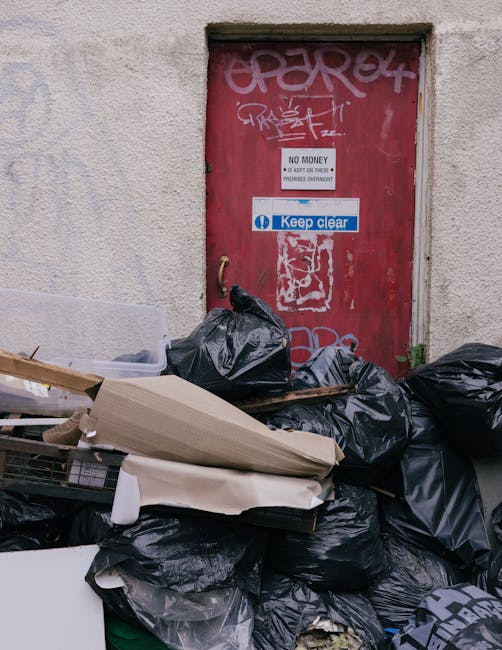
Rubbish Removal Access Problems Flats on Lampton Road: A Practical Guide for Easy, Safe Collection
If you live in a flat on Lampton Road, you may already know the awkward bit about getting rid of rubbish is not the rubbish itself. It is the access. Tight stairwells, shared hallways, lift restrictions, parking pressure, loading space that never seems quite there, and bin stores that are full at the wrong time can turn a simple clear-out into a small headache. This guide to Rubbish removal access problems flats on Lampton Road explains what usually goes wrong, how collections are typically handled, and what you can do to make the whole process smoother.
The aim here is straightforward: help you avoid delays, reduce lift and hallway clashes, and make sure bulky waste, furniture, white goods, or mixed flat clearance loads are dealt with in a calm, organised way. A bit of planning goes a long way. Truth be told, that is often the difference between a quick tidy-up and a stressful afternoon with a mattress wedged at the top of the stairs.
Why Rubbish removal access problems flats on Lampton Road Matters
Access problems are not just an inconvenience. In a flat building, they shape everything: how long a collection takes, whether a crew can safely move items, whether neighbours are disrupted, and whether the job is completed in one visit or two. On a road like Lampton Road, where residential buildings can vary from older walk-ups to larger modern blocks, the access picture can change from one address to the next. No two blocks are quite the same, and that is where people get caught out.
For example, a sofa may be perfectly manageable once it reaches the street, but if it has to be angled through a narrow stairwell, around a bend, and past a tightly positioned bannister, the simple becomes fiddly. The same applies to old wardrobes, fridge freezers, broken exercise bikes, and bagged waste that is heavier than it looks. You know the type: one bag feels fine, then the second one suddenly does not.
Access matters because it affects:
- Safety for residents, visitors, and collection crews
- Speed of removal and whether a single visit is realistic
- Cost efficiency if extra labour or waiting time is needed
- Building harmony by reducing corridor blockages and neighbour complaints
- Compliance with waste handling and local building rules
If you are also dealing with a wider property clean-out, it may help to understand how flat access issues fit into a broader clearance plan. Services such as waste clearance in Hounslow and house clearance support are often used for mixed loads, especially when a flat contains furniture, appliances, and general rubbish all at once.
Expert summary: The cleaner the access plan, the smoother the collection. In flats, preparation often matters more than brute force. Measure, check, clear, and confirm before anyone starts carrying things down stairs.
How Rubbish removal access problems flats on Lampton Road Works
At a practical level, rubbish removal in a flat with access issues usually starts with a quick assessment. That may be done from photos, a phone call, or an on-site look if the job is larger. The purpose is not to be difficult. It is to work out what the crew can actually move and how they should move it.
Typical access checks include:
- Width of hallways, door frames, and stair turns
- Whether there is lift access and whether the lift can take the item size
- Ground-floor entry points and any keypad or fob restrictions
- Parking space or stopping point for loading
- Time restrictions from building management or neighbours
- Any rules about using communal areas, trolleys, or protective floor coverings
In many flats, a collection is easiest when items are already grouped near the exit. That may sound obvious, but people often leave things in the back bedroom, then wonder why the job takes longer. A crew can only move what they can reach safely. If a wardrobe must be dismantled first, or if a washing machine needs isolating before removal, that needs to be part of the plan from the start.
When access is tight, good operators may bring the right equipment for the building: sack trucks, straps, stair protection, gloves, and sometimes extra labour. For very narrow flats or awkward furniture, dismantling on site can be the right choice. It is not glamorous, but it works. And that matters more than style, let's face it.
For readers comparing removal options, it is often helpful to look at the service mix rather than only the headline price. You can see how this fits with broader local support through the full services overview or by reviewing practical rubbish collection options in Hounslow.
Key Benefits and Practical Advantages
When access is handled properly, the benefits are immediate. The collection is faster, cleaner, and far less stressful. That alone is worth a lot if you have a busy day, a landlord inspection looming, or a move-out date that feels uncomfortably close.
- Less disruption: careful planning avoids corridor congestion and repeated trips.
- Lower risk of damage: protecting walls, lifts, and flooring helps prevent avoidable scratches and knocks.
- Better timekeeping: crews can load efficiently when they know what to expect.
- Fewer surprises: access issues are identified before the team arrives, not halfway through.
- More suitable disposal choices: mixed waste, furniture, and appliances can be separated correctly.
There is also a less obvious advantage: better access planning can reduce friction with building neighbours and property managers. Nobody enjoys hearing heavy items thudding down the stairs at 8 a.m. on a Saturday. A small adjustment to timing, route, or loading point can keep the peace.
If the job includes furniture, bulky items, or a full room clear-out, access planning becomes even more valuable. Relevant support pages such as furniture removal and furniture disposal are useful when seating, wardrobes, shelving, or tables are the items causing the problem rather than loose rubbish bags.
Who This Is For and When It Makes Sense
This topic is most useful for flat residents, landlords, letting agents, managing agents, and anyone preparing a sale, end-of-tenancy, or renovation in a block on or near Lampton Road. It also applies to people clearing a relative's flat, sorting out student accommodation, or replacing old appliances that will not fit neatly through the hallway on the first try.
It makes sense to prioritise access planning when:
- You live above ground floor and there is no suitable lift
- Your flat has a narrow entrance, internal corners, or awkward stair turns
- You need bulky waste removed quickly and cannot leave items in the communal area
- You are dealing with a landlord checkout or estate agent deadline
- You are disposing of heavy items such as white goods, bed frames, or wardrobes
- The building has strict loading, parking, or access rules
There is no shame in asking for help with this. In fact, it is usually the sensible move. A half-planned clear-out often becomes a full-blown bottleneck; a properly planned one stays neat and controlled.
For people in active clear-out situations, especially if the flat contains a mix of items, white goods and appliance disposal and furniture disposal support can make the difference between a tidy exit and a last-minute scramble.
Step-by-Step Guidance
Here is a practical way to approach rubbish removal when access is awkward in a flat on Lampton Road. This is the bit that saves time later. And, frankly, it saves arguments too.
- Identify the items. Make a simple list: bags, furniture, appliances, mattresses, boxes, and anything that may need dismantling.
- Check the access route. Measure doorways, note stair turns, look at the lift size, and see where the team can park or stop safely.
- Clear the route. Move shoes, plant pots, child gates, bikes, coat stands, and anything else that could slow movement or cause a trip hazard.
- Separate what can be reused or recycled. Some items can be kept out of the mixed waste stream if they are still in decent shape.
- Take photos if you are booking remotely. Good photos of staircases, lifts, corridors, and the items themselves help avoid misjudgement.
- Confirm restrictions. Check building access times, parking rules, and whether a move through communal areas needs notice.
- Prepare the items. Empty drawers, tape loose doors, unplug appliances, and remove detachable parts where safe to do so.
- Allow a realistic time window. Access issues often mean the job takes longer than a simple street-level collection.
One small but useful detail: if you are removing a bulky item from a top-floor flat, decide in advance whether it will be carried intact or dismantled. That one decision can change the whole rhythm of the job. Sometimes the right answer is obvious, sometimes not.
If you are dealing with a clear-out after a move, a sale, or a tenancy change, you may also find the property-focused pages helpful, especially property clearance in the TW3/TW4 area and the Hounslow real-estate transaction guide, which can be useful when timing and presentation matter.
Expert Tips for Better Results
In our experience, the jobs that go smoothly tend to share a few habits. Nothing fancy. Just sensible, repeatable preparation.
- Take access photos from the front door to the exit. This gives a clear picture of the real route, not the ideal one.
- Leave a little breathing room. If possible, move items away from skirting boards and corners so they can be lifted cleanly.
- Protect the building. A small amount of covering or padding can prevent scuffs that create complaints later.
- Schedule at quieter times. Early weekday slots or other agreed windows may be easier than a busy weekend.
- Ask about dismantling in advance. Do not assume a bed frame or wardrobe can be carried as-is.
- Use the right disposal route. General rubbish, reusable furniture, and appliances do not always belong in the same load.
There is one more thing that people forget: communicate with the building. If a block has a porter, caretaker, or management office, a short heads-up can avoid awkward moments at the door. Nothing dramatic. Just enough to let everyone breathe easier.
For people comparing methods, the article on skip hire alternatives in Hounslow is worth a look if you are weighing up whether a traditional skip is even practical for a flat. Often, it is not.

Common Mistakes to Avoid
The biggest mistakes with flat rubbish removal are rarely technical. They are usually planning mistakes. Easy to make, easy to prevent.
- Leaving access checks until collection day. That is how delays begin.
- Assuming lifts can take everything. Many items are simply too large or too awkward.
- Blocking communal hallways. It creates safety issues and can cause building complaints.
- Underestimating weight. A full bag of mixed waste can be much heavier than it looks.
- Forgetting about parking. If the vehicle cannot stop near the building, the job becomes slower and more expensive.
- Not checking item rules. Some items may need special handling, especially appliances and anything with cables, fluids, or glass.
Another common slip is booking a basic rubbish collection when the job actually needs a property clear-out. That mismatch is where frustration starts. A quick bit of honesty up front is usually far better than trying to improvise later.
If the issue is broader than a few bags and you are clearing multiple rooms, the more suitable pages are house clearance services and office clearance options depending on the type of property and contents.
Tools, Resources and Recommendations
You do not need specialist equipment for every job, but a few simple tools make flat access far easier. Most of them are humble household bits, which is oddly reassuring.
- Measuring tape for doorways, lifts, and stair gaps
- Phone camera for taking access photos and item pictures
- Labels or marker pen to separate what stays, what goes, and what may be recycled
- Gloves for moving broken or dusty items safely
- Strong tape or straps for securing loose parts on furniture
- Clear bags or boxes for smaller waste streams
For a better outcome, use local knowledge where possible. Flats on main roads, side roads, or busier junctions can have very different loading conditions depending on the time of day. If access is tight, timing becomes a tool in itself.
There are also useful support pages for related waste types: builders waste disposal if the flat is being renovated, and garden waste removal if communal planters, branches, or outdoor waste are part of the clear-up. Not every flat job is just bags and broken furniture, after all.
Law, Compliance, Standards, or Best Practice
With rubbish removal, compliance is less about bureaucracy for its own sake and more about doing things properly. In the UK, waste should be handled by a business that is allowed to carry it, and the waste should be transferred responsibly. For residents, the main practical point is simple: do not leave your rubbish with someone who cannot clearly explain how it will be handled.
Best practice usually includes:
- Using a waste carrier who can demonstrate legitimate compliance
- Keeping communal areas clear and safe during removal
- Separating recyclable items where practical
- Avoiding fly-tipping risks by checking where waste goes
- Following building rules about parking, lift use, and access windows
There can also be property-specific rules from landlords, managing agents, or resident associations. These are not always legal requirements in the strict sense, but they often matter in practice. If a block says deliveries or collections must happen only at certain times, it is wise to stick to that. Saves hassle, simple as that.
For extra reassurance, review information on waste carrier licence and compliance, plus the company's insurance and safety approach. Those pages are useful if you want to understand how a proper operator should work before you book anything.
It is also sensible to understand terms and conditions and how payment is handled, especially if your building access could affect timings or labour. See terms and conditions and payment and security for the kind of details that matter when a job depends on access being accurate.
Options, Methods, or Comparison Table
If access is awkward, the best removal method depends on the type of waste, how fast you need it gone, and how much lifting the building allows. Here is a simple comparison to make the choice clearer.
| Method | Best for | Access fit for flats | Typical strengths | Main limitation |
|---|---|---|---|---|
| Manual bag-by-bag removal | Small household waste loads | Good where stairs are manageable | Flexible, straightforward, neat | Slow for larger jobs |
| Furniture and bulky item collection | Sofas, wardrobes, beds, tables | Works if routes are measured first | Good for heavy awkward items | May need dismantling or extra labour |
| Full flat clearance | End-of-tenancy, probate, major declutter | Best with proper planning and time | Efficient for mixed loads | Needs careful access coordination |
| Same-day collection | Urgent clear-outs and time-sensitive jobs | Possible if access is simple enough | Fast turnaround | Less flexible where building access is restricted |
| Skip hire alternative | Locations where a skip cannot be placed | Often better than a skip for flats | No need to leave a skip outside | Still depends on on-site access and vehicle stopping room |
For many flats on Lampton Road, a skip is simply not the neatest answer. A better fit is often a collection-led approach, especially if the building has no easy street space. If you want a deeper comparison, the page on waste removal in TW4 and TW3 is a useful reference for thinking through the practical side of access and loading.
Case Study or Real-World Example
Imagine a second-floor flat on Lampton Road where the resident needs to clear out a three-seat sofa, a broken chest of drawers, several black bags, and an old microwave. The lift is small, the stairwell bends tightly at the landing, and the front entrance has limited stopping room. Nothing dramatic, just the sort of job that looks simple until you stand in the hallway.
The smoothest version of this job would usually go like this: the resident sends photos of the items and the route, confirms the lift dimensions, clears the hallway, and arranges a collection window when the entrance is quiet. The sofa is checked first, because that is the item most likely to cause trouble. If it will not fit through intact, the crew plans to dismantle it or remove it in parts. The microwave is separated for appropriate disposal. The bags are grouped together near the door so they do not need to be carried one by one from the back room.
What makes the difference here is not force. It is sequence.
When access is treated as part of the job rather than an inconvenience, the collection is much more predictable. That is the real lesson. A little patience beforehand can avoid the kind of rush that ends with tired arms, annoyed neighbours, and a lot of stairwell shuffling. Nobody wants that at the end of the day.
In more property-sensitive cases, especially where a flat is being prepared for listing or handover, readers may also find the local property insight useful through smart investments and property value context in Hounslow, and the area overview in a resident's perspective on living in Hounslow.
Practical Checklist
Use this checklist before collection day. It is simple, but it catches the usual problems.
- Measure doorways, stairs, lifts, and any awkward bends
- Take photos of the items and the access route
- Check building rules for parking, loading, and quiet hours
- Separate furniture, appliances, and general rubbish
- Empty drawers, bags, and containers where safe
- Secure loose doors, glass, or detachable parts
- Clear the hallway and communal route before the team arrives
- Confirm whether dismantling is required
- Make sure someone can answer access questions on the day
- Keep the collection point as close and as clear as possible
If your flat clear-out includes a lot of mixed material, you may also want to review relevant service pages for recycling and sustainability and waste disposal. That helps you think not only about removal, but also about what happens after the waste leaves the building.
Get a free quote today and see how much you can save.
Conclusion
Rubbish removal access problems in flats on Lampton Road are usually manageable once they are treated as a planning issue rather than a surprise. Measure the route, think about the lift, confirm parking, keep the hallway clear, and be honest about the size and weight of what needs shifting. That approach saves time, reduces stress, and makes the final collection feel much more controlled.
Whether you are clearing a single bulky item or handling a full flat, the key is preparation. A good plan does not just make the work easier. It makes the whole day feel calmer. And sometimes that is what people really need.