Rubbish removal Hounslow High Street TW3 services
Posted on 01/05/2026
Rubbish removal Hounslow High Street TW3 services: a practical local guide
If you live, work, or run a business around Hounslow High Street TW3, rubbish has a way of building up faster than you expect. One box becomes three. A broken chair sits in the corner. Then suddenly the spare room, shop store, or office feels cluttered, awkward, and hard to use. That is where Rubbish removal Hounslow High Street TW3 services come in: a straightforward way to clear waste quickly, safely, and without turning your day into a full-scale faff.
This guide explains how rubbish removal works in the TW3 area, who it suits, what to ask before booking, and how to avoid common mistakes. You will also find practical tips on compliance, a useful comparison table, and a realistic example of what a local clearance can look like on a busy street. Let's face it, if you are trying to clear space in a hurry, you want clear answers, not sales fluff.
Why Rubbish removal Hounslow High Street TW3 services Matters
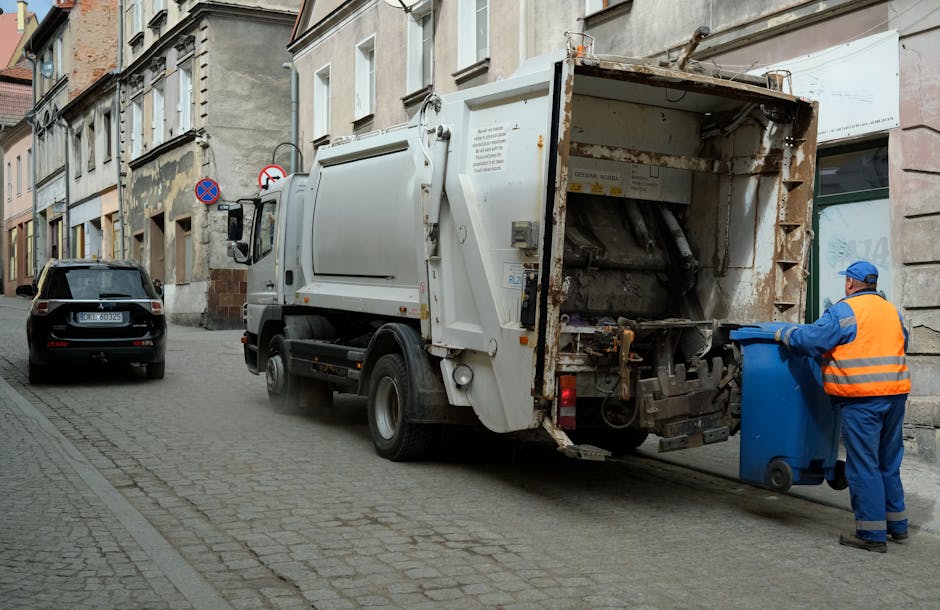
Hounslow High Street is busy, varied, and always moving. You have flats above shops, busy takeaways, offices, shared houses, and trade premises all in the same stretch. That mix creates a very particular waste problem: there is often nowhere convenient to store rubbish, and not much room to drag it around either. Timing matters too. A skip can be awkward on a high street. A council collection may not match your schedule. And fly-tipping? Nobody wants to wake up to that mess outside a property.
Good rubbish removal helps with more than just tidiness. It reduces trip hazards, opens up floor space, improves the impression your property gives, and makes it easier to keep on top of ongoing waste. For landlords and business owners, that can matter a lot. A clean entrance or cleared rear yard simply feels better, and customers notice. People always do, even if they do not say it out loud.
There is also the practical side. A pile of mixed waste can quickly become annoying to sort, particularly when you do not have a van, a lift, or the time to make multiple trips to a recycling centre. That is why many people in TW3 prefer a collection service that can handle lifting, loading, and disposal in one visit.
If you are weighing up local support, it can help to think about the broader service picture too. Some providers cover a wider range of needs, from house clearance in Hounslow to heavier or more awkward items. Others specialise in quicker, lighter collections. The right choice depends on the type of rubbish, access, and how soon you need it gone.
How Rubbish removal Hounslow High Street TW3 services Works
Most rubbish removal jobs follow a simple pattern, though the details can vary a bit depending on the provider and access to the property. In plain English: you explain what needs removing, the team estimates the load, they arrive at an agreed time, and the waste is collected and taken for sorting, reuse, recycling, or disposal.
Here is the usual flow:
- Initial enquiry. You describe the waste, location, and any awkward access points such as narrow stairs, parking limits, or rear entry restrictions.
- Estimate or quote. The provider may give a price based on volume, type of waste, labour, and how easy the collection is to carry out.
- Arrival and assessment. On arrival, the team confirms the load before starting work. If the amount is different from what was described, the quote may need adjusting.
- Loading. Items are removed from inside or outside the property. A decent crew works carefully, especially in tight stairwells or shared hallways.
- Sorting and disposal. Waste is then taken away for appropriate handling. Reusable items may be separated, recyclables diverted where possible, and the rest dealt with in line with standard waste procedures.
That sounds simple enough, but the real value is in the handling. On a busy street, every minute counts. A good team arrives prepared, protects communal areas where needed, and keeps the process tidy so you are not left with dust, broken packaging, or scuffed walls. Small details, big difference.
If your rubbish is mainly household clutter, then services such as general rubbish removal are often the cleanest fit. If the job includes sofas, wardrobes, or white goods, check whether bulky item collection is included or priced separately. It sounds obvious, but people do sometimes forget to mention the fridge in the corner until the van is already there. Happens more than you'd think.
Key Benefits and Practical Advantages
There is a reason rubbish removal has become the preferred option for many people along Hounslow High Street TW3. It saves time, reduces stress, and removes several practical headaches in one go.
- Speed: A collection can often be arranged faster than organising a skip, getting permits, or making multiple recycling centre trips.
- Less heavy lifting for you: Handy if the waste includes awkward furniture, bags, or mixed debris.
- Better for tight spaces: High street properties often have limited parking or no easy place for a large skip.
- More flexible: Useful for one-off clearances, end-of-tenancy jobs, shop refits, and periodic decluttering.
- Cleaner finish: The area is left ready for use rather than half-cleared.
- Useful for mixed waste: Household items, office clutter, cardboard, and small amounts of trade waste can often be handled in one visit.
For many customers, the biggest benefit is mental, not just physical. A cluttered room can quietly drain your attention every time you walk past it. Clear it, and the space changes. It feels lighter. More usable. A bit calmer, even on a grey West London afternoon when the traffic outside is doing its usual thing.
There is also a business advantage. For shops, salons, cafes, and offices, a tidy back-of-house area supports smoother day-to-day work. It can be easier to store stock, move safely, and keep staff spaces decent. Not glamorous, sure. But incredibly useful.
Who This Is For and When It Makes Sense
Rubbish removal services in Hounslow High Street TW3 suit a wide range of people, not just homeowners with a garage full of old stuff. In practice, the service is useful whenever waste has become too bulky, too mixed, or too time-sensitive to handle yourself.
Common users include:
- Homeowners clearing lofts, sheds, spare rooms, or post-renovation mess.
- Renters dealing with move-out clutter or end-of-tenancy waste.
- Landlords and agents preparing a property between tenants.
- Local businesses removing old stock, packaging, fixtures, or office waste.
- Tradespeople needing a fast clear-up after light refurbishment or fit-out work.
- Property managers handling communal or shared-area waste that has piled up.
It usually makes sense when the job is too large for normal bin collections but not quite big enough to justify a full skip. It also makes sense when access is awkward. A busy high street with limited kerb space can turn a simple clearance into a headache pretty quickly.
And sometimes, truth be told, people just need momentum. One cleared pile encourages the next. Once the old broken office chair is gone and the floor is visible again, it is much easier to tackle the rest. That little bit of progress matters.
If your needs are more specialist, you may want to look at office clearance services in Hounslow for business premises or furniture removal for larger household items. Matching the service to the waste type usually saves money and avoids confusion on the day.
Step-by-Step Guidance
If you want the smoothest possible experience, a bit of preparation goes a long way. You do not need to overthink it, but a simple process helps prevent delays and surprise charges.
1. Separate what can stay from what needs to go
Start with the obvious stuff. Keep important documents, valuables, tools you still use, and anything you might regret losing later. If a box has mixed contents, open it. It is tedious, yes, but less tedious than paying to remove something you wanted to keep. One shelf at a time usually works better than trying to do the whole room in a single heroic burst.
2. Group similar items together
Put furniture, bagged waste, cardboard, small electricals, and garden waste into separate piles where possible. This helps the crew assess the load and can make sorting easier afterwards. If the area is cramped, even a rough separation is helpful.
3. Take photos if the job is large or unusual
Photos help describe the job accurately. They are especially useful if the waste is in a basement, loft, or rear yard. A few clear images can avoid awkward conversations later and make the quote more reliable.
4. Check access and parking
On Hounslow High Street, access can be the real challenge. Think about loading bays, time restrictions, narrow entrances, lifts, and whether there is space for a vehicle nearby. If there are steps or long carries, mention them early. That is not being fussy; it is just practical.
5. Confirm what is included
Ask whether labour, disposal, recycling, VAT, and special items are included. Some items may need separate handling, especially electrical equipment or anything that could count as hazardous. If you are unsure, ask plainly. A decent provider will explain it without making a song and dance of it.
6. Prepare the waste for collection day
By the time the team arrives, the job should be ready to go. Clear corridors where possible, keep pets out of the way, and make sure the main items are visible. If the collection is indoors, unlock gates and share any entry details in advance.
7. Check the property after removal
Once the rubbish is gone, have a quick look around. Check corners, cupboards, and under tables. You would be surprised how often one last small bag gets missed. And there is always one, isn't there?
Expert Tips for Better Results
A few small habits can make rubbish removal feel much easier and, often, more cost-effective too.
- Be specific about the waste type. "A few bags" and "a full office strip-out" are very different jobs.
- Ask about mixed loads. Mixed rubbish can take more sorting, so it is better to be upfront.
- Plan around traffic and access windows. On a high street, timing can matter almost as much as the rubbish itself.
- Keep reusable items separate. If something could be donated, sold, or repurposed, remove it from the waste pile first.
- Use a local service for faster response. Providers familiar with TW3 are often better at handling parking, entry, and timing realities.
- Check whether the company recycles responsibly. You do not need a grand speech here, just a clear explanation of what happens after collection.
Here is a simple expert rule of thumb: the clearer the brief, the smoother the job. It really is that straightforward. If you leave the provider guessing, you are much more likely to get a vague quote and a slower collection. Nobody wants that.
For larger clearances, it can also help to read related guidance on garage clearance or garden waste removal if your pile includes outdoor clutter. Matching the service to the material is one of those boring-but-smart decisions that pays off.

Common Mistakes to Avoid
Most problems with rubbish removal are avoidable. The same handful of mistakes show up again and again, usually because people are trying to move quickly and do not want to spend time on details. Fair enough. But a few minutes of clarity can save a lot of hassle later.
- Underestimating the volume: What looks like "a small pile" can be a lot more once lifted and stacked.
- Forgetting awkward items: Mattresses, fridges, old monitors, and builder's rubble may need special handling.
- Not checking access restrictions: A service can be delayed if the vehicle cannot park close enough.
- Mixing rubbish with items to keep: Once everything is bagged together, mistakes happen.
- Choosing only on price: The cheapest quote is not always the best if it excludes labour or disposal.
- Leaving hazardous waste unmentioned: Paints, chemicals, and certain electrical items should be declared early.
A particularly common issue in busy urban areas is the "we'll just put it out front" approach. That can cause problems if there is no clear agreement about timing, access, or who is responsible for the waste once it is moved. Better to be precise. Saves embarrassment too, which is nice.
Another mistake is assuming all waste can go together. In reality, different materials may be handled differently depending on local disposal routes and the provider's processes. If in doubt, ask before collection day rather than after the van has already arrived. Much simpler.
Tools, Resources and Recommendations
You do not need a full toolkit to arrange rubbish removal, but a few simple resources make planning easier and reduce stress.
- Phone camera: Use it to take clear photos of the pile, access route, staircases, and parking area.
- Labels or marker pens: Helpful if you are separating items to keep, donate, or remove.
- Heavy-duty bags or boxes: Useful for loose household clutter, books, and soft waste.
- Measuring tape: Handy for checking whether a sofa, wardrobe, or appliance will fit through a doorway.
- Property access notes: Jot down door codes, concierge rules, loading bay times, or contact details for building access.
For local planning, it is sensible to keep a few support pages bookmarked. If you are dealing with a full property clear-out, loft clearance can help with hard-to-reach storage spaces. If waste is mainly from a move or property handover, end-of-tenancy clearance may be the better fit. And if you want a broader look at all available waste support, the main waste removal services page is a useful starting point.
One more practical recommendation: keep a note of what was removed. It sounds minor, but it helps if you manage multiple properties or need a record for a landlord, agent, or business file. A quick list on your phone does the job nicely.
Law, Compliance, Standards and Best Practice
Waste removal in the UK should always be handled carefully, especially if you are dealing with business waste, mixed loads, or anything that could be considered hazardous. You do not need to become a legal expert, but you should know the basics.
At a practical level, best practice means using a provider that:
- collects and transports waste responsibly;
- sorts recoverable material where possible;
- keeps clear records where required;
- handles special waste appropriately;
- avoids illegal dumping or careless disposal.
If you are a business owner, your obligations may be different from a household customer, especially for waste produced by trade activities. That is where a clear, reputable collection process matters. If something feels vague, ask for clarification. A trustworthy company should be able to explain how waste is handled without getting defensive or overly technical.
It is also worth being careful with electrical items, fridges, mattresses, paints, and similar materials. These are not necessarily difficult to handle, but they may need separate treatment or extra cost depending on the job. Avoid leaving that detail until the last minute.
Practical takeaway: the safest approach is simple - describe the waste honestly, ask how it will be handled, and choose a provider that is clear about collection, sorting, and disposal. No drama. Just clarity.
If you want to understand how local collections fit into a broader property-clearance plan, pages such as flat clearance and hoarder clearance support can be helpful references. They show how waste handling changes depending on space, access, and the amount of material involved.
Options, Methods and Comparison Table
There are usually a few ways to deal with rubbish around Hounslow High Street TW3. The right choice depends on volume, access, urgency, and how much lifting you want to do yourself.
| Option | Best for | Pros | Things to watch |
|---|---|---|---|
| Professional rubbish removal | Mixed household, office, or bulky waste | Fast, labour included, flexible timing | Quote depends on volume and access |
| Skip hire | Longer projects or larger volumes | Good for ongoing work, can take a lot | Space, permits, and loading limits can be a hassle on a busy street |
| Council collection | Smaller scheduled items | Useful for certain approved waste types | May not suit urgent or bulky clearances |
| Self-haul to recycling centre | People with a van, time, and lifting ability | Control over timing and sorting | Travel, parking, queue times, and manual effort |
For most people on Hounslow High Street, professional collection is the easiest route when access is awkward or the waste is mixed. Skip hire can still make sense for longer building projects, but on a busy street it can be far less convenient than it looks on paper. A skip is simple in theory; in real life, not always.
Case Study or Real-World Example
Imagine a small office above a retail unit on Hounslow High Street. The team has moved to hybrid working, and over time the back room has filled up with old files, broken chairs, empty boxes, a dusty printer, and a few awkward bits of furniture that no one wanted to deal with. Nothing extreme. Just one of those rooms that quietly becomes a dumping ground.
The manager wants the space back quickly because a new storage arrangement is due the following week. They need the rubbish gone without disturbing the shop below, and there is limited parking outside. In that situation, rubbish removal is usually the sensible choice.
What would a good process look like?
- The manager sends photos of the room and the stair access.
- The provider confirms what can be taken, flags any items that need separate handling, and gives a time window.
- On the day, the crew works carefully down the stairs, protects the route if needed, and loads the waste efficiently.
- The room is left clear, allowing the office to reset without losing half a day.
That kind of job is not dramatic. It is just useful. And useful matters. The best clearance work often feels almost invisible once it is done, which is exactly the point. You get your space back, and life carries on a bit more smoothly.
Practical Checklist
Use this simple checklist before your collection day. It keeps the process tidy and helps avoid the usual last-minute scramble.
- Identify everything that needs to be removed.
- Separate items you want to keep.
- Photograph the waste and access points.
- Check stairways, lifts, loading areas, and parking restrictions.
- Tell the provider about heavy, fragile, or unusual items.
- Ask whether disposal, labour, and special items are included.
- Move pets, valuables, and personal documents out of the way.
- Prepare any keys, codes, or building access details.
- Confirm the arrival time and who will meet the crew.
- Do a final room check after the removal is complete.
If you can tick all ten, you are in a very good place. Not perfect, because real life rarely is, but good enough to keep the job straightforward.
Conclusion
Rubbish removal in Hounslow High Street TW3 is really about making a crowded, busy bit of London easier to live and work in. Whether you are clearing a flat, an office, a shop back room, or a pile of mixed household waste, the right service saves time, reduces stress, and keeps things moving. It also helps you avoid the awkward bits: heavy lifting, tight access, and the endless shuffle of bags that never seems to end.
The best results usually come from simple preparation, clear communication, and choosing a service that understands local conditions. Mention the access, show the photos, ask sensible questions, and do not be shy about confirming what is included. That small bit of care goes a long way.
If your space is overdue for a proper reset, now is a good time to act. A cleared room can feel like a fresh start, even if all you have done is remove old clutter and a few dusty regrets. And honestly, that is enough sometimes.
Get a free quote today and see how much you can save.